
Last reviewed: 1 October 2026
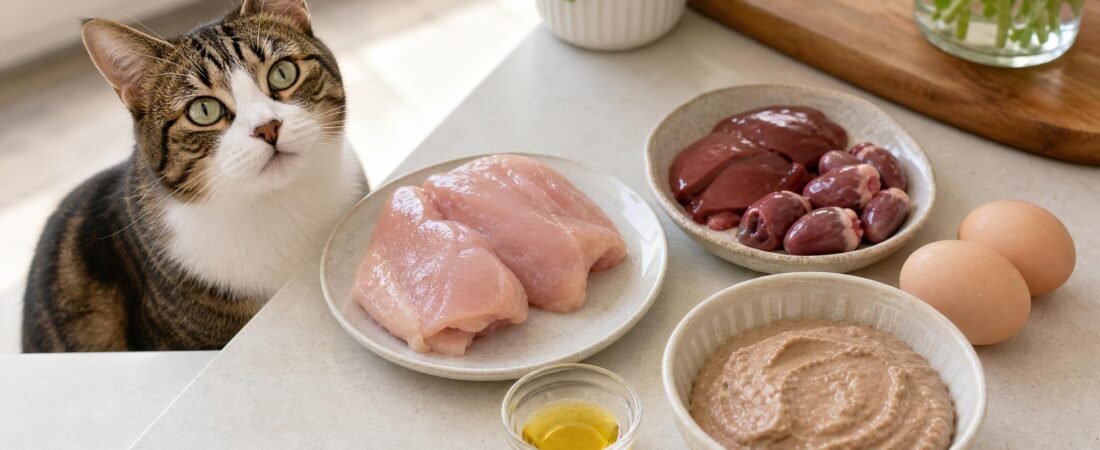
Cooking for your cat starts with a nutrition plan, then a shopping list. Meat, eggs and a few supplement powders can look like a full meal while still leaving important nutrients out. That is why a homemade cat-food recipe needs more than an appealing set of ingredients.
Quick answer: For a cat’s main diet, use a complete recipe formulated for that cat by a board-certified veterinary nutritionist. Follow its ingredient weights, specific supplements, preparation instructions and daily feeding amount exactly. Do not turn an internet recipe into a regular diet by guessing calcium or taurine doses.
What “complete” actually means
A complete diet supplies the required nutrients in appropriate amounts for the cat’s life stage and needs. A chicken dinner is not automatically complete because it includes liver or a multivitamin.
For commercial food, check the nutritional adequacy statement, not just the ingredient list. In the United States, a “complete and balanced” statement is supported by meeting an AAFCO nutrient profile or passing an AAFCO feeding trial. Treats and supplements usually serve a different purpose and should not be treated as a sole diet. FDA explains the label distinction.
Home preparation can be an option, but nutritional balance has to be established for the whole recipe. UC Davis researchers assessed 114 published homemade-cat-food recipes; none of the 94 detailed enough for analysis supplied all the recommended essential nutrients examined. A recipe being online, popular or written by a veterinarian did not itself establish adequacy. Read the UC Davis study summary.
Start with the cat, not the recipe
Before a consultation, collect the information that makes a diet useful for your own cat:
- Current food names, feeding amounts, treats and supplements.
- Age, recent weight and any weight changes.
- Medical conditions, medication, test results and dietary restrictions.
- Appetite, stool changes, vomiting and foods the cat accepts.
- Your preparation time, storage space, budget and ingredients you can reliably obtain.
Bring this record to your veterinarian. If you want a home-prepared main diet, ask about referral to a board-certified veterinary nutritionist. UC Davis’s nutrition service, for example, offers customized formulations and evaluations of existing recipes. A formulation should account for the individual patient, rather than borrowing another cat’s plan. UC Davis Nutrition Service.
What to ask for in a usable recipe
You should be able to prepare the diet consistently without filling in missing steps. Ask the formulator to specify:
| Recipe detail | Question to resolve |
|---|---|
| Ingredients | Which exact ingredients and weights should I use? |
| Weight stage | Are weights measured before or after cooking? |
| Supplements | Which exact products and quantities are required? |
| Preparation | How should ingredients be cooked and combined? |
| Finished amount | What batch yield and daily portion should I expect? |
| Changes | Who should I contact if an ingredient or supplement is unavailable? |
| Follow-up | When should weight, intake and the plan be reassessed? |
Changing liver to another meat, swapping a supplement or measuring a small dose with an unsuitable scoop can change the formulation. Ask before making substitutions. The UC Davis Nutrition Support FAQ explains why supplements are selected for particular recipes and why replacements can create nutrient deficiencies or excesses.
Taurine and calcium are part of the formulation
Do not use one universal taurine dose for every cat or batch. The quantity belongs to the complete recipe and its daily portion. A product containing taurine does not establish that the finished meal supplies every nutrient the cat needs.
The same applies to calcium. An eggshell estimate or a generic calcium powder is not a substitute for a formulated quantity. Do not add extra supplements to a complete commercial diet or combine several products without veterinary advice. More is not automatically better.
Ordinary pet multivitamins are often designed to supplement an existing diet, rather than balance homemade meat. Tufts veterinary nutritionists explain this distinction and the value of a properly formulated recipe.
Supplements to discuss, not a meal-balancing kit
Some links below are affiliate links. As an Amazon Associate, TailSprig Living may earn from qualifying purchases, at no extra cost to you.
The following products are optional discussion items if your veterinarian has a specific reason to recommend them. They are not a recipe, and buying all three does not make a bowl of meat complete. Check the exact current label and variant with your veterinarian before ordering.
Life Extension Cat Mix
Cat Mix is a nutritional supplement for cats. The manufacturer advises informing your veterinarian about supplement use and not exceeding the recommended dose. Its label is not evidence that it balances any arbitrary homemade recipe. Manufacturer label and directions.

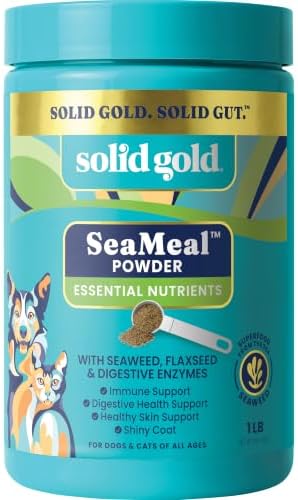
Solid Gold SeaMeal powder
SeaMeal is a supplement for dogs and cats. Solid Gold explicitly states that it is not a full vitamin/mineral supplement and does not supply enough calcium for a home-cooked diet. That is why it should not be described as a complete homemade-food balancer. Manufacturer information.
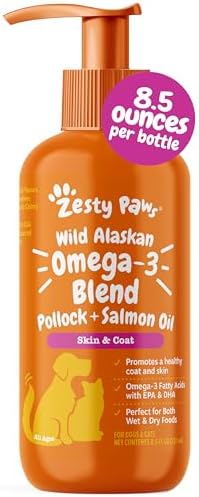
Zesty Paws fish oil
Zesty Paws sells an omega-3 blend containing pollock and salmon oil for dogs and cats. Fish oil adds particular fats; it does not supply all the nutrients missing from an incomplete meal. Ask your veterinarian whether it belongs in your cat’s plan and which exact product is appropriate. Manufacturer product information.
We have not personally tested these supplements. Prices, formula labels and availability can change. Do not substitute a product for a formulation ingredient because its name sounds similar.
Prepare food safely
Follow the recipe’s cooking, cooling and storage instructions. Use a food thermometer rather than judging poultry by its color; the FoodSafety.gov poultry guidance specifies a minimum internal temperature of 165°F / 74°C. Cooking helps address pathogen risk, but it does not correct nutritional imbalance.
Wash hands, utensils and preparation surfaces. Keep raw ingredients away from ready-to-eat food, label portions and refrigerate promptly. FDA recommends keeping the refrigerator at 40°F / 4°C or below and washing pet-food bowls and utensils after use. Ask the formulator how long that particular recipe may be stored and how to thaw portions safely. FDA pet-food storage guidance.
Raw food introduces pathogen risks for the cat and people handling it. The AVMA discourages feeding raw or undercooked animal-source proteins. Freezing is not a reason to assume a raw recipe is safe. AVMA raw-diet policy.
A topper is different from a main diet
If you mainly want to cook a small extra for enjoyment, discuss a suitable ingredient and amount with your veterinarian. AAHA guidance for healthy pets keeps complete and balanced food as at least 90% of total calories, with treats and other extras making up no more than 10%. That is a calorie limit, not 10% of the bowl by volume, and a medical condition may require tighter restrictions. AAHA feeding-plan guidance.
Mixing an unbalanced homemade diet with commercial food does not automatically cover its gaps. Keep the homemade portion within a plan your veterinarian has assessed.
Appetite and stomach symptoms need attention
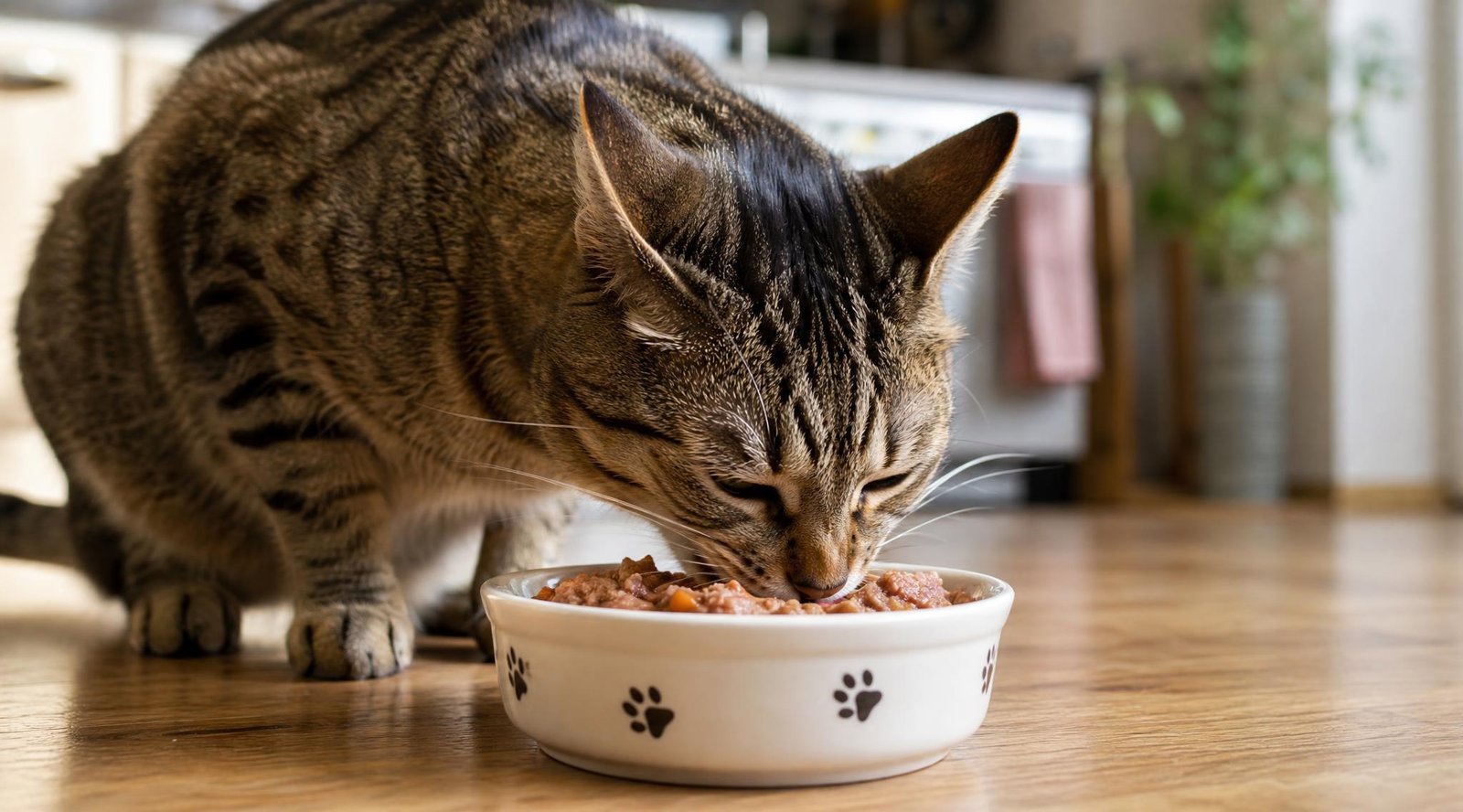
Do not withhold familiar food to force acceptance of a new recipe. Arrange any diet transition with your veterinarian and monitor what the cat actually eats.
Repeated vomiting, diarrhea, reduced appetite or weight loss needs veterinary advice. Seek prompt care for vomiting with lethargy, pain, dehydration, blood, diarrhea or suspected ingestion of a toxin or object. Do not wait weeks for an assumed “sensitive stomach” to settle. VCA’s vomiting guidance.
Homemade cat-food FAQ
Can homemade food be my cat’s only diet?
Yes, if the complete recipe has been formulated for your cat and you follow it exactly, with appropriate follow-up. An ordinary meat recipe plus random supplements does not meet that standard.
How much taurine should I add?
Use the exact quantity specified by the veterinary nutritionist for the recipe and its batch size. Do not use a generic daily dose or add extra on the assumption it cannot cause a problem.
Can a multivitamin balance chicken and liver?
Do not assume so. A general pet supplement can have the wrong nutrient amounts for a homemade diet. The whole recipe needs evaluation, including its specific supplements.
What should I feed while arranging a formulation?
Ask your veterinarian about a complete and balanced commercial food suited to your cat’s life stage and medical needs. Continue an appropriate existing diet rather than starting an unassessed recipe.
Related guides
Pet-care information on TailSprig Living is educational and does not replace advice from your veterinarian or a board-certified veterinary nutritionist.